
Aircraft ownership pitfalls, jet card competition, and parts supply crunch shape the week
Fly Alliance cuts midsize jet card rates to $5,995 per hour; SyberJet claims transcontinental speed record; maintenance shops face mounting parts pressure.
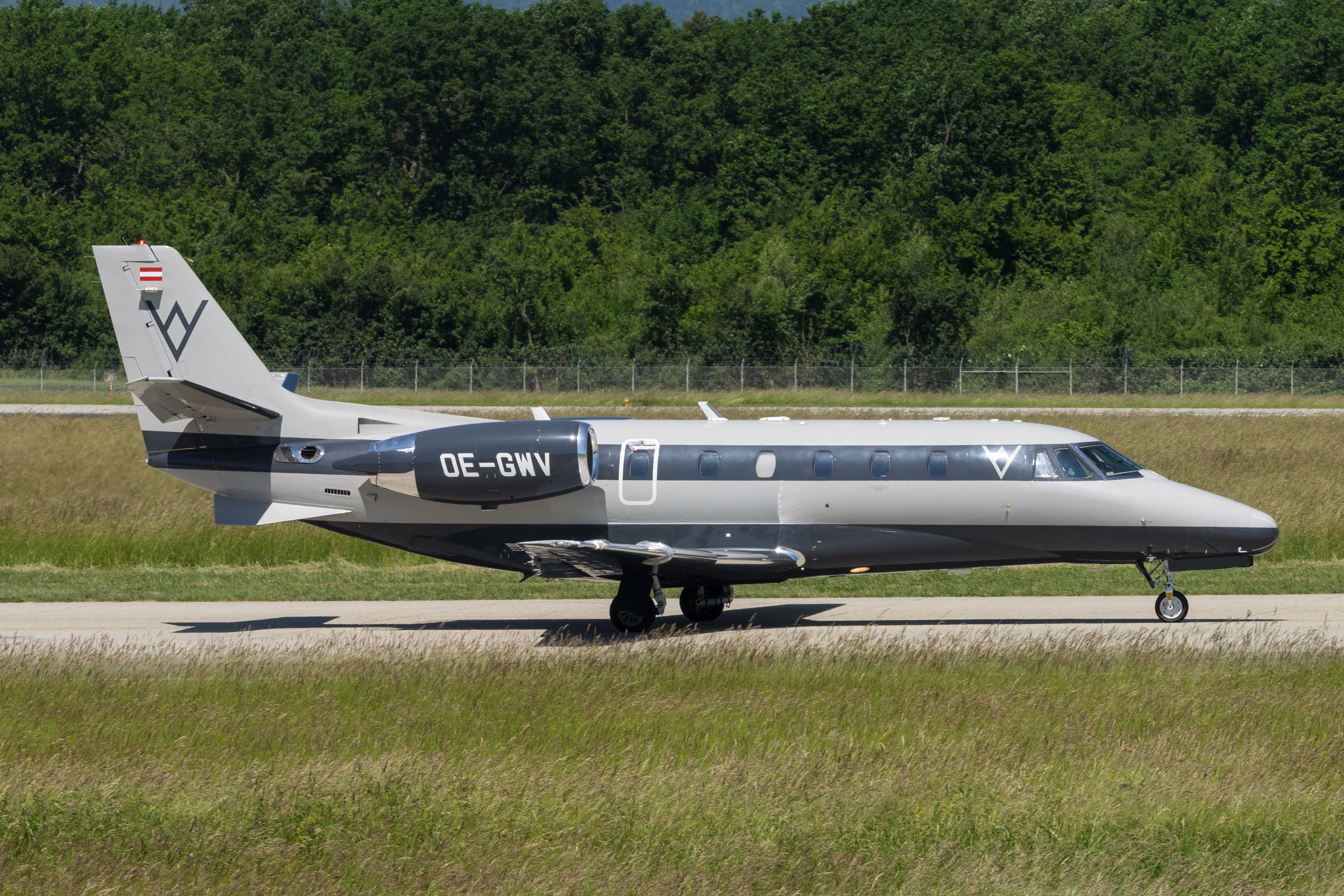
Fly Alliance is running an August jet card promotion offering 100 hours on a Citation XLS Gen 2 at $5,995 per hour, locked for 12 months before reverting to the operator's published midsize rate of $8,995 plus fuel surcharges. A new parts-supply survey names persistent sourcing delays as the industry's leading operational problem. SyberJet has announced a transcontinental speed record pending FAI certification. And aircraft ownership — from liability structures to lease arrangements — carries financial consequences often overlooked in purchase negotiations.
Fly Alliance discounts Citation XLS Gen 2 to $5,995 per hour
Fly Alliance has launched two jet card deals valid through the end of August. The first offers five complimentary hours with purchase of 50 hours. The second, open to returning customers and first-time buyers, sells 100 hours on a Citation XLS Gen 2 at $5,995 per hour plus 7.5% federal excise tax, with the rate locked for 12 months. Hours never expire. After 12 months, the hourly rate moves to Fly Alliance's then-current published rate, currently $8,995 plus FET.
At the Q2 2026 average for North American midsize jet cards—$9,557 including FET and fuel surcharges—the locked rate represents a significant discount. This is the second time Fly Alliance has offered this price point; an identical April promotion sold 25 hours at $5,995, also available to first-time and returning customers.
Tradewind Aviation partners with Mandarin Oriental for Boston–New York package
Treatment Hotel group Mandarin Oriental has launched a Harbour to Harbour two-city experience pairing stays in Boston and New York with private charter flights provided by Tradewind Aviation at a 10% discount. Packages begin at $7,300 and include a minimum one-night stay at either hotel, a $100 dining credit at each location, and discounted charter passage between the cities. The offering runs through October 15, 2026, and celebrates America's 250th summer.
Mandarin Oriental has previously partnered with private aviation operators. The group worked with Air Charter Service in 2020 and with Globe Air in 2024 for an Oktoberfest experience.
Parts supply emerges as the leading pain point for general aviation maintenance
A new survey by TBX, which provides workflow and compliance software to general aviation maintenance shops, has identified parts and supply chain pressure as the biggest challenge facing the sector. The finding comes from the company's 2026 General Aviation Parts Survey, which gathered direct feedback from mechanics and maintenance professionals about sourcing, installation, and certification of aircraft components.
Time—not price—has become the primary pressure. Shops report spending significant hours on part-number lookups, parts searches, customer communication about available options, and supplier negotiation. Scheduling difficulties made worse by difficulty finding and retaining qualified airframe and powerplant (A&P) mechanics compounds the challenge. Managing customer expectations rounds out the top concerns; owners increasingly expect legacy-aircraft pricing on modern supply chains.
TBX officials attributed the squeeze to OEM consolidation, discontinued production runs, and a maintenance workforce stretched thinner each year. The survey results are intended to give aircraft owners, manufacturers, distributors, PMA suppliers, regulators, and trade associations an evidence-based view of where to focus improvement efforts.
SyberJet SJ30-2 sets unofficial transcontinental speed record
SyberJet Aircraft said Friday that its SJ30-2 completed a nonstop flight from Jacksonville, Florida, to San Diego in approximately four hours and seven minutes, averaging 505.3 mph and setting what the company claims is an unofficial east-to-west transcontinental speed record in the C-1f aircraft class. Gordon Bryan piloted the aircraft; SyberJet CEO Trevor Milton was aboard.
The C-1f designation, part of the Fédération Aéronautique Internationale's record classification system, covers landplanes weighing at least 6,000 kilograms but less than 9,000 kilograms (roughly 13,228 to 19,842 pounds). The flight surpassed the existing 339.4-mph record set by an Embraer Phenom 300 in 2013.
Certification from the National Aeronautic Association and FAI is expected to take approximately 90 days. SyberJet plans to display the aircraft at NBAA-BACE 2026's Aircraft Connection at Henderson Executive Airport in space AC-03 and to debut its under-development SJ36 during SyberJet World, held in conjunction with the conference in Las Vegas.
Aircraft ownership structures carry six- or seven-figure consequences
Buying an aircraft involves decisions beyond make, model, avionics, and engine that can result in six- or seven-figure mistakes, according to industry professionals handling aircraft finance and asset management. Key overlooked areas include ownership structures that balance privacy and depreciation, dry or wet lease arrangements, sales tax and fly-away exemptions, and charter offset arrangements.
Ownership structure decisions affect liability exposure. An accident or legal judgment against one aircraft in a multi-asset entity can expose all assets in that entity to claims through judgment liens. Legal professionals recommend starting aircraft purchase negotiations by examining the ownership entity structure rather than defaulting to placing a new aircraft in an existing LLC or entity.
What it means
Jet card buyers have more pricing transparency and competitive options than Q2 average rates would suggest, though the locked-rate offers are time-limited. For fleet operators and charter brokers, Tradewind's partnership with a luxury hotel group signals continued demand for bundled experiences that fold private aviation into broader travel packages.
The parts supply crisis presents a broader operational problem that touches every flight department and charter operator. Where physical lead times have been long for years, the survey data now elevates time spent managing sourcing—a labour cost—as the industry's primary constraint. Shops report that modern supply-chain realities have outpaced customer expectations, a gap that flight departments should understand before the next planned maintenance event.
Aircraft buyers should treat ownership structure as a technical question requiring specialist input rather than an administrative box-ticking exercise. The financial and legal consequences of getting it wrong persist across the aircraft's ownership life.
.jpg)