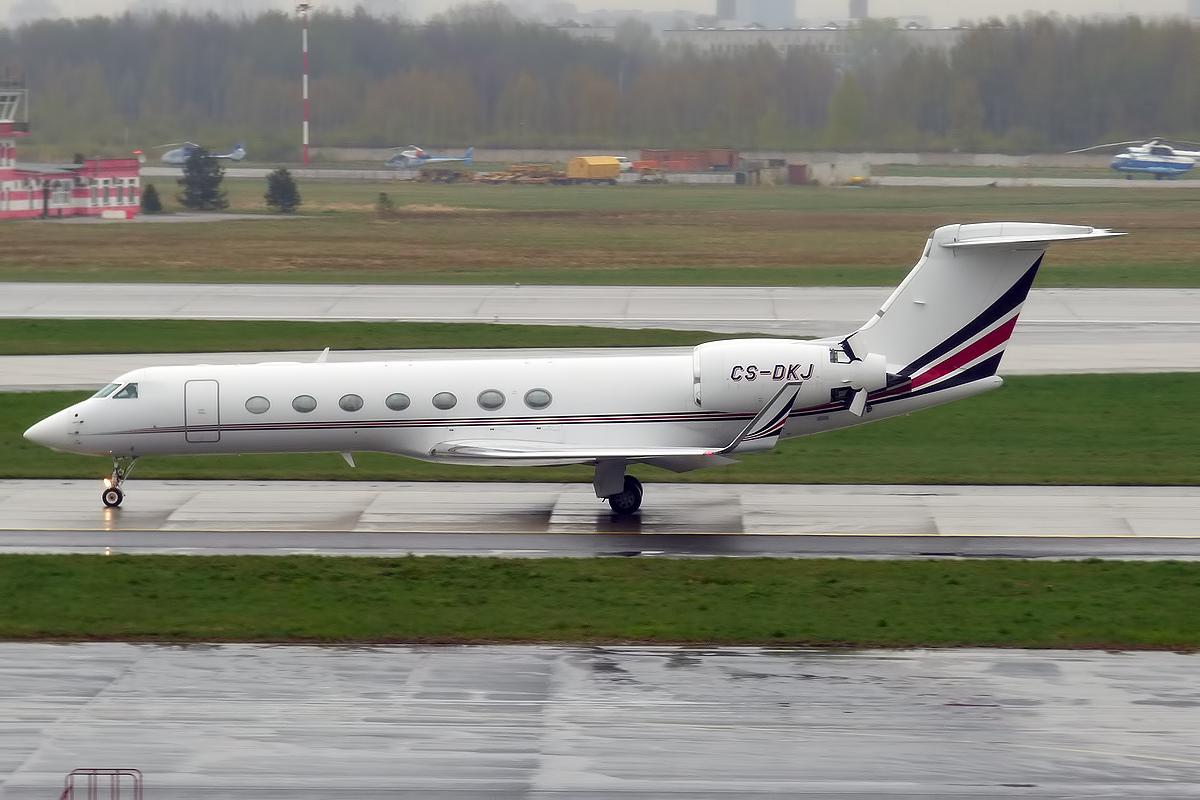
Aircraft owners must understand insurance responsibilities after an incident
General Aviation News explains what aircraft owners must do after an emergency, and what insurance will and will not cover.
When an aircraft incident occurs, aircraft owners retain key responsibilities that do not disappear simply because something has gone wrong, according to General Aviation News.
The publication emphasises that being the named insured on an aviation insurance policy means accepting obligations at the moment you purchase the policy. Those responsibilities persist through any incident. Prompt reporting to your insurance agent is the first step, but it is not the only one.
Immediate response and emergency priorities
General Aviation News notes that at tower-controlled airports, airport management, emergency responders, the FAA and others mobilise quickly when an incident occurs. However, the aircraft owner's obligations do not end when emergency services arrive. The first priorities are to preserve life, call first responders when necessary, and take reasonable steps to prevent additional property damage without compromising safety. After that, the reporting emphasises making required notifications to your insurance broker or carrier and to authorities such as the NTSB or FAA.
Virtually every aviation insurance policy contains a requirement to report an occurrence promptly. The language varies from "immediately" to "as soon as practicable", but the obligation remains the same. Critically, you do not have to know whether you have a claim before reporting an occurrence. An occurrence and a claim are not necessarily the same thing. You may not know the full extent of the damage, who is responsible, or whether insurance coverage will ultimately be needed. Reporting gives the insurance company an opportunity to open a file, gather information, and determine what may be needed next.
What insurance does and does not control
Many aircraft owners assume that once an insurance company becomes involved, it takes control of the loss. According to the reporting, it generally does not. The insurance company does not ordinarily select the repair facility, decide exactly how an aircraft should be repaired, or manage the repair process. Those decisions involve the aircraft owner, maintenance professionals, and applicable regulatory requirements. What the insurance company determines is what it is obligated to pay under the terms of the insurance contract.
Depending on the circumstances, authorities may retain control of the aircraft, property or site of the occurrence while investigating. Until the property or site is released by the appropriate authorities, the insurer may have limited ability to inspect the aircraft, recover it or authorise repairs. An adjuster's agreement to a repair estimate does not make the adjuster responsible for the quality of the work. Insurance provides the financial resources to manage a covered loss, but it does not relieve the aircraft owner of responsibility for managing it.
There is one significant exception to this division of responsibilities: legal defence. When an occurrence results in a liability claim or lawsuit covered by a policy's duty-to-defend provisions, responsibility for providing a legal defence generally shifts to the insurance company. The matter is assigned to legal counsel, either through the insurer's legal department or outside attorneys retained to represent the insured. Unlike selecting an aircraft repair facility, the insured ordinarily does not control the selection of defence counsel or the expenses associated with conducting that defence.
Remote incidents and ongoing obligations
Not every incident occurs at a busy airport with immediate emergency response. Sometimes an aircraft is stranded somewhere remote, and the pilot is stranded with it. General Aviation News notes that in those situations, the pilot needs rescue and the aircraft needs recovery, and neither operation begins with an insurance adjuster. A policy may provide certain search-and-rescue or recovery benefits subject to its terms and limits, but the insurance company is not going to dispatch a search and rescue operation to come and retrieve you. There is a difference between arranging emergency assistance and having insurance available to pay eligible expenses afterwards.
Regardless of which coverage may ultimately respond, there are contractual conditions that must be satisfied. Reporting an occurrence is not the end of your responsibilities. It is the beginning of a process that requires your continued cooperation. Aviation insurance policies are manuscript contracts, which means they are custom-written for a specific policyholder, and the circumstances surrounding every loss are different. No single article can explain exactly how every insurance company will respond to every occurrence.
Sources
Now What? · Accessed 2026-11-06T18:00:00+00:00