FAA ground stop ripples through private aviation as crew duty limits and positioning bite
Private jet flyers avoided the worst of Friday's four-and-a-half-hour ground stop, but face cascading delays this weekend as flight crews hit duty limits and aircraft fall out of position.
Private jet flyers avoided the immediate chaos of Friday's FAA ground stop but will face mounting delays this weekend as the disruption cascades through operations, according to Private Jet Card Comparisons.
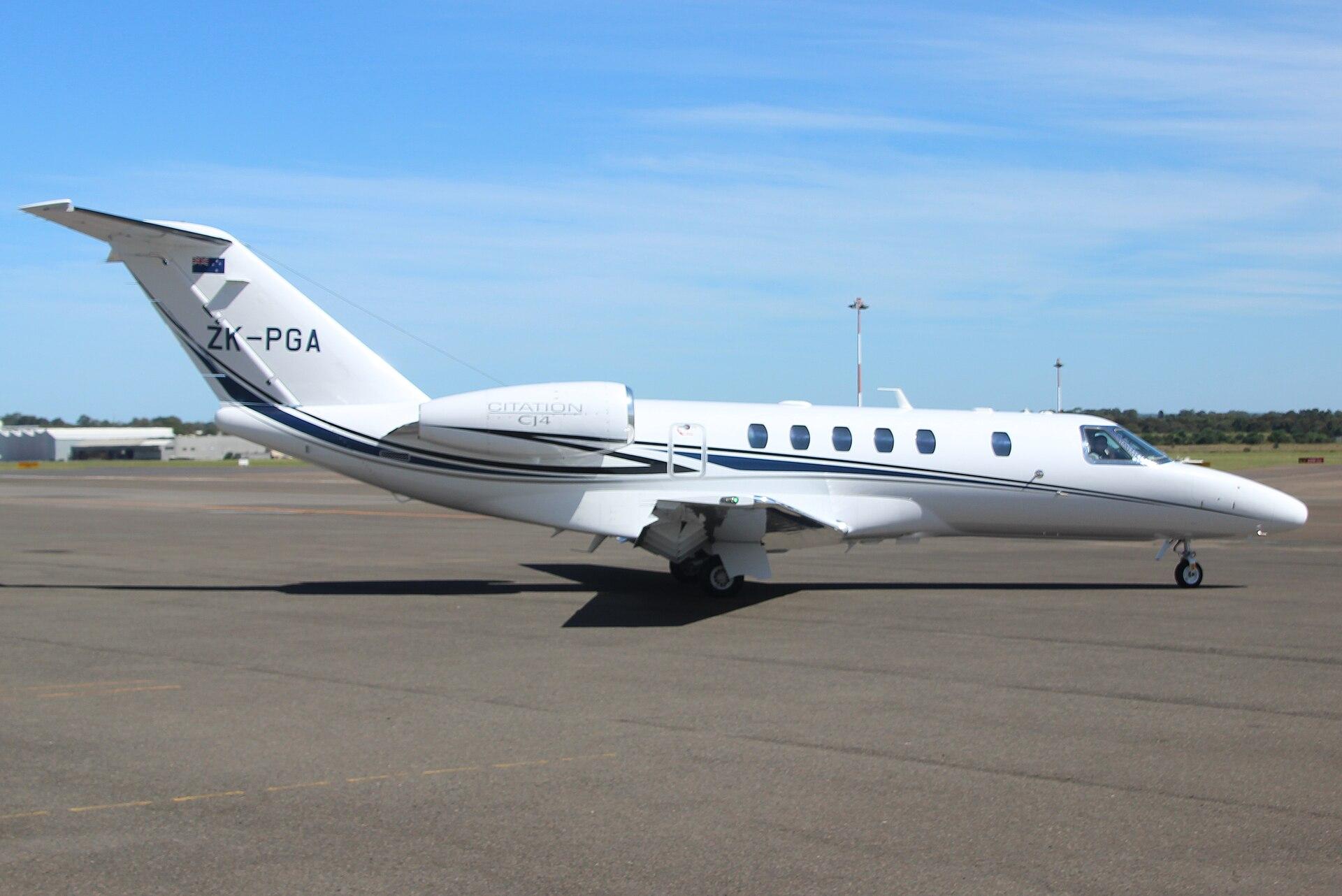
The FAA ordered the ground stop just before 4 p.m. Eastern time on Friday after a major telecommunications outage. Departures—airlines and private jets alike—halted for just over four-and-a-half hours. Private jet operators initially fared better than commercial airlines: whilst airline passengers sat stranded on tarmacs after landing with delayed flights occupying airport gates, private jet flyers walked off their aircraft via FBOs, the fixed-base operators that serve as private aviation terminals, and largely remained on schedule.
That advantage evaporates as the ground stop's effects ripple through the system. The first disruptions are now hitting operators with delayed departures, according to executives quoted by Private Jet Card Comparisons. Charter and fractional pilots face a hard constraint: they are limited to 14 duty hours per day. Many flight crews were already nearing those limits when the ground stop took effect on Friday afternoon, particularly crews that had departed early in the day as private flyers typically do.
Unlike commercial carriers with crew reserves on standby, private aviation operators generally do not maintain relief pilots. A crew that hits its duty limit cannot simply hand the aircraft to another crew waiting at the airport. That crew must instead rest, and charter and fractional pilots are required to have 10 hours of uninterrupted rest between duty periods. With hotels filling up with stranded commercial airline passengers, finding accommodation for crews looking to rest may itself create delays.
Cascading repositioning failures
The ground stop is also leaving aircraft out of position across the network. Private Jet Card Comparisons gives the example of a charter flight that was supposed to depart Salt Lake City for Houston on Friday evening but is now delayed until Saturday. That same aircraft was scheduled to reposition from Houston to Austin overnight to pick up passengers for a Saturday morning flight to Tampa. With the aircraft grounded, it cannot make that repositioning, and the Saturday morning departure from Austin cannot go ahead.
Executives tell Private Jet Card Comparisons that these cascading effects will create delays on the ground as well as in the air. FBOs at busy airports have their ramps filled with jets, and as operators attempt to launch departures, FBO staff will face a surge in demand for fuelling, servicing and turnaround work. Private Jet Card Comparisons reports that FBOs will not have enough staff to handle the volume simultaneously, creating further delays as aircraft queue for service.
It is unclear from available reporting whether these delays are expected to clear by the end of the weekend or whether the ripple effects will extend into the following week.
Sources
Here’s how the FAA ground stop is impacting private jet flyers · Accessed 2026-11-14T02:56:29+00:00