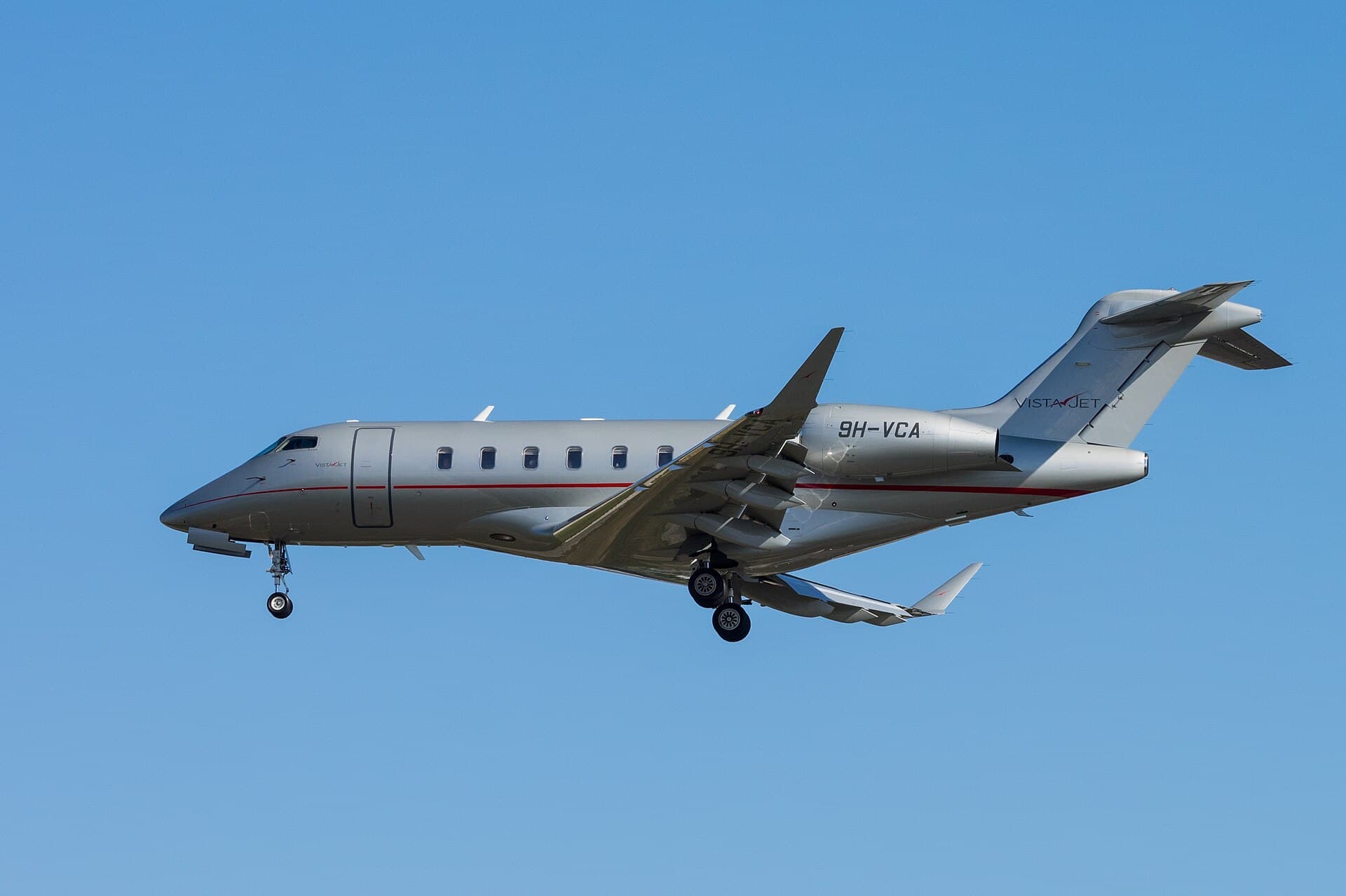
Overweight Citation V with contaminated wings overran at Colorado airport
US investigators found the aircraft exceeded maximum weight and neither pilot held proper qualifications for the flight, which occurred in December 2024.
A Cessna 560 Citation V executive jet was overweight and attempting to take off with snow-contaminated wings when it overran a runway at Pagosa Springs, Colorado, according to an investigation by the National Transportation Safety Board released by FlightGlobal.
The aircraft failed to rotate when the pilot applied full-aft control yoke input as it reached rotation speed of 103 knots during the take-off roll from runway 1. The pilot aborted the attempt and applied full reverse-thrust and braking, but the jet overran by approximately 500 feet into the grass beyond the runway, sliding sideways and sustaining substantial damage to both wings. The incident occurred on 27 December 2024.
Weight and performance
The NTSB determined the aircraft weighed around 16,500 pounds on take-off, compared with the 15,900 pound maximum certificated weight. The pilot reported a take-off weight of approximately 15,700 pounds, but analysis indicates the actual payload was 2,154 pounds against the pilot's calculation of 1,285 pounds.
Ten occupants – five male, four female, and a child – plus three dogs and baggage were on board. The pilot testified that she had used standard passenger weights in a flight application to calculate the load, whilst the weight of baggage was estimated. The NTSB found the centre of gravity was near the forward limit and that the aircraft was likely outside of the operating envelope.
Crew qualifications and pre-flight inspection
The inquiry found that whilst the pilot held a type rating for the Citation V, she was not qualified to act as a single pilot in the jet, and the aircraft was not certified for single-pilot operation. The co-pilot had no type ratings. "Neither pilot possessed the proper pilot ratings and qualifications for the flight," the NTSB said. The co-pilot was also someone with whom the pilot had never previously flown.
Investigators highlighted a poor pre-flight inspection. Snow was falling as passengers were boarding the aircraft, and there was no de-icing facility at the airport. Ground personnel used a handheld brush to sweep snow from the wings. According to the pilot, she only noticed liquid water and no icing or other contamination during the pre-flight inspection. The co-pilot reported the aeroplane had some accumulated dry snow on the wings that was swept off, and after all passengers were loaded, the pilot conducted a tactile check of the wings before closing the cabin door.
Surveillance video captured airport personnel sweeping snow from the wings on three separate occasions within 11 minutes.
Sources
Overweight Citation V with snow-contaminated wings failed to rotate before overrun · Accessed 2026-09-26T09:01:42+00:00