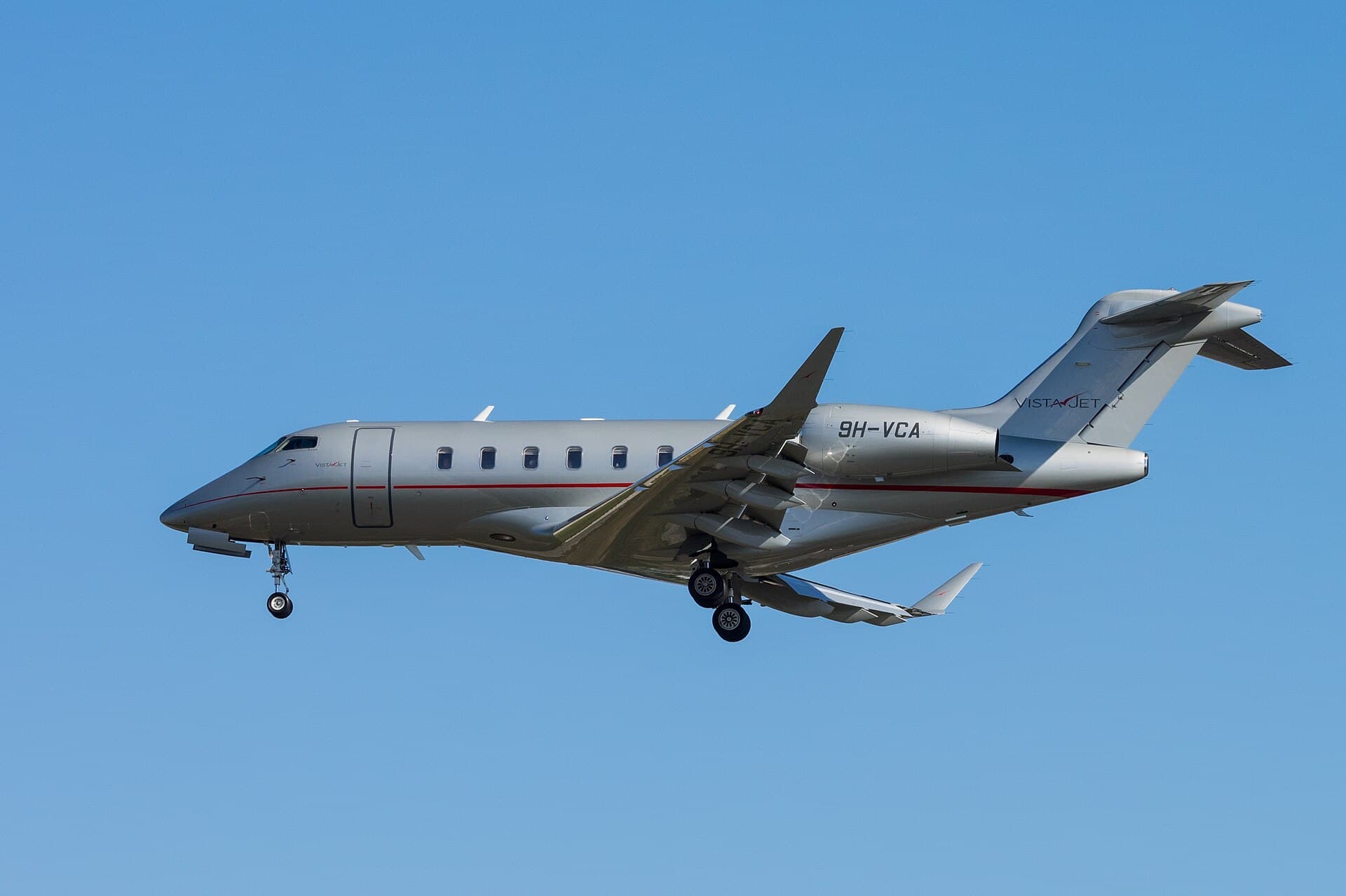
What an empty leg actually buys you
The discount is real. So is the reason for it: on an empty leg the operator keeps the schedule, and you carry the disruption risk.
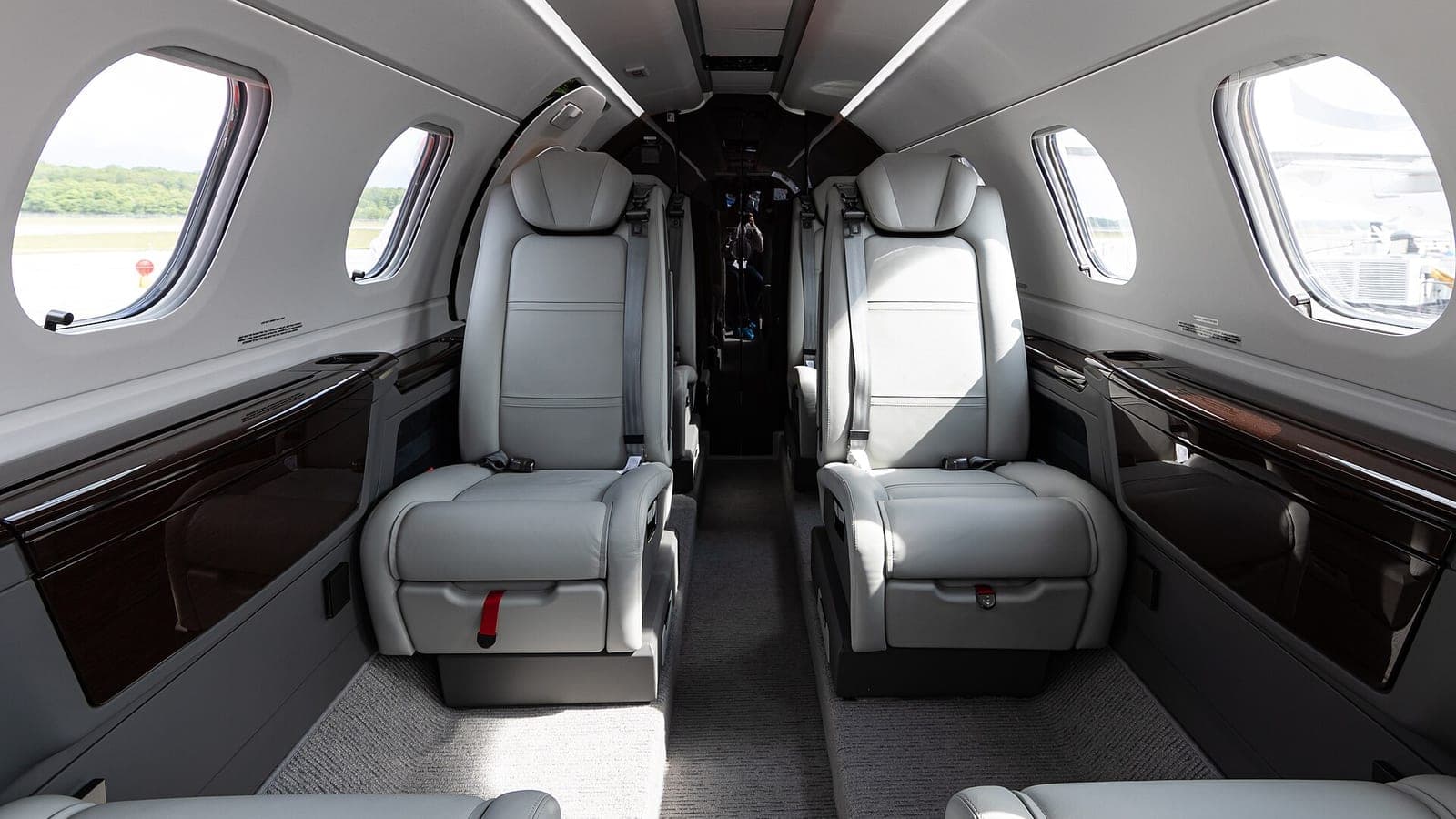
A charter aircraft is booked from A to B. It arrives at B, the passengers get off, and the aircraft is now in the wrong place — it has to get back to base, or forward to wherever its next booking starts. That flight carries no passengers and earns nothing, and the operator pays for it either way.
That is an empty leg. Selling the cabin on that repositioning flight turns a pure cost into partial revenue. It is the most straightforward piece of economics in private aviation, and almost everything confusing about empty legs follows from one fact: the flight exists for the operator's reasons, not for yours.
Where the inventory comes from
Empty-leg availability is a by-product, which is why it cannot be planned around. It clusters wherever demand is strongly directional — a lot of aircraft flying one way and few flying back.
The clearest example in the United States is the Northeast-to-Florida corridor in winter. Aircraft carry passengers south through the season and then need to return north, often without them. The same shape appears around any seasonal migration, any one-off event that draws aircraft into a region for a weekend, and any base with heavy outbound charter and little inbound.
That is also why the inventory is short-notice by nature. The repositioning flight only becomes a known quantity once the revenue flight in front of it is confirmed, and it stops existing the moment that revenue flight changes.
What you are actually buying
This is the part the discount tends to obscure. On a normal charter you specify the mission and the operator prices it. On an empty leg the mission already exists, and you are buying a place on it.
You do not control:
- The departure airport. The aircraft is where it is.
- The destination. It is going where it needs to go.
- The timing. Departure is set by the flight in front of it, by crew duty limits, and by what the aircraft is booked to do afterwards.
- The aircraft. You get the tail that is repositioning, not a cabin class you chose.
Small shifts are sometimes negotiable — an hour either side, occasionally a nearby field. Large ones are not, and the constraint is not the operator being unhelpful. Under US rules, crew flight time and rest are limited by regulation (14 CFR 135.267 for on-demand operations), and no operator can push a departure past a duty limit to accommodate a discounted booking. Equivalent limits apply under European rules.
The risk you are taking on
An empty leg exists because a revenue flight exists. If that booking moves, shortens, extends or cancels, the repositioning flight changes or disappears with it — and it can happen close to departure.
Most empty-leg terms are written to permit exactly that. The operator can typically cancel or re-time without owing you anything beyond a refund of what you paid. You are not usually owed a replacement aircraft, an airline ticket, a hotel, or any consequential cost. Read the specific terms rather than assuming: the difference between "we will refund you" and "we will get you there" is the whole product.
That risk is the reason for the discount. You are not being sold a cheaper flight so much as being paid to absorb schedule risk the operator would otherwise carry.
It follows that empty legs suit some trips and are actively wrong for others. They work well where there is slack: a flexible return, a second home, a trip that can move by a day. They are the wrong instrument for anything with a hard arrival time — a wedding, a closing, a connection onto a long-haul airline ticket, a funeral. There, the cost of the failure mode dwarfs the saving.
On the discounts you see advertised
Operators and brokers commonly advertise empty legs at large reductions to standard charter rates, and ranges from roughly a third off to around three-quarters off are quoted widely across the industry.
We are not going to repeat a specific figure as though it were measured. Those ranges appear on the marketing pages of companies selling the flights, they are calculated against an unstated reference price, and there is no public dataset of transacted empty-leg fares to check them against. The mechanism is real and the savings are real. The precise percentage is a claim, not a statistic, and we would rather say so than pass it on with a decimal point attached.
Using them without getting caught
A few points that follow from the structure rather than from anyone's sales copy.
Book the trip you would take anyway, on flexible terms, and let the empty leg be an upgrade to that plan rather than the thing the plan depends on. Have a fallback you are genuinely willing to use, and price it before you book — if the fallback is a same-day full-fare charter, the saving was never as large as it looked.
Ask specifically what happens if the flight is cancelled, and get the answer in the contract rather than in an email. Ask whether the quoted price is the whole price, including landing and handling at both ends, because a low headline figure with fees bolted on afterwards is a different product.
And treat the outbound and the return as separate problems. Empty-leg inventory is directional by definition: a corridor generating plenty of southbound legs in April is generating very few northbound ones at the same moment. The New York to South Florida corridor is the clearest example of that asymmetry anywhere in the United States.
Sources
Empty Leg Flights · Accessed 2026-08-13
14 CFR Part 135 — Operating Requirements: Commuter and On Demand Operations · Accessed 2026-08-13
14 CFR 135.267 — Flight time limitations and rest requirements · Accessed 2026-08-13