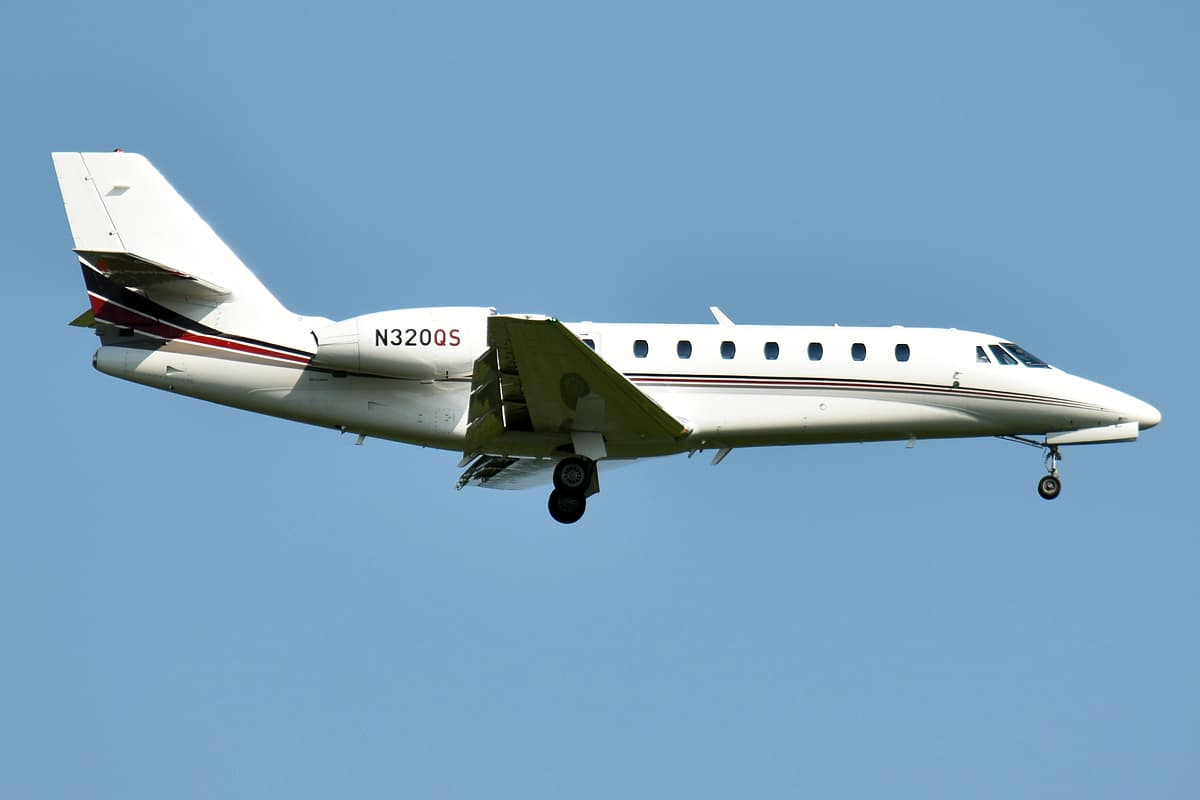
Learjet 60 crashes in Florida residential area, killing nine aboard
The aircraft descended at over $32,000 feet per minute after the crew reported icing and turbulence near Naples, Florida.
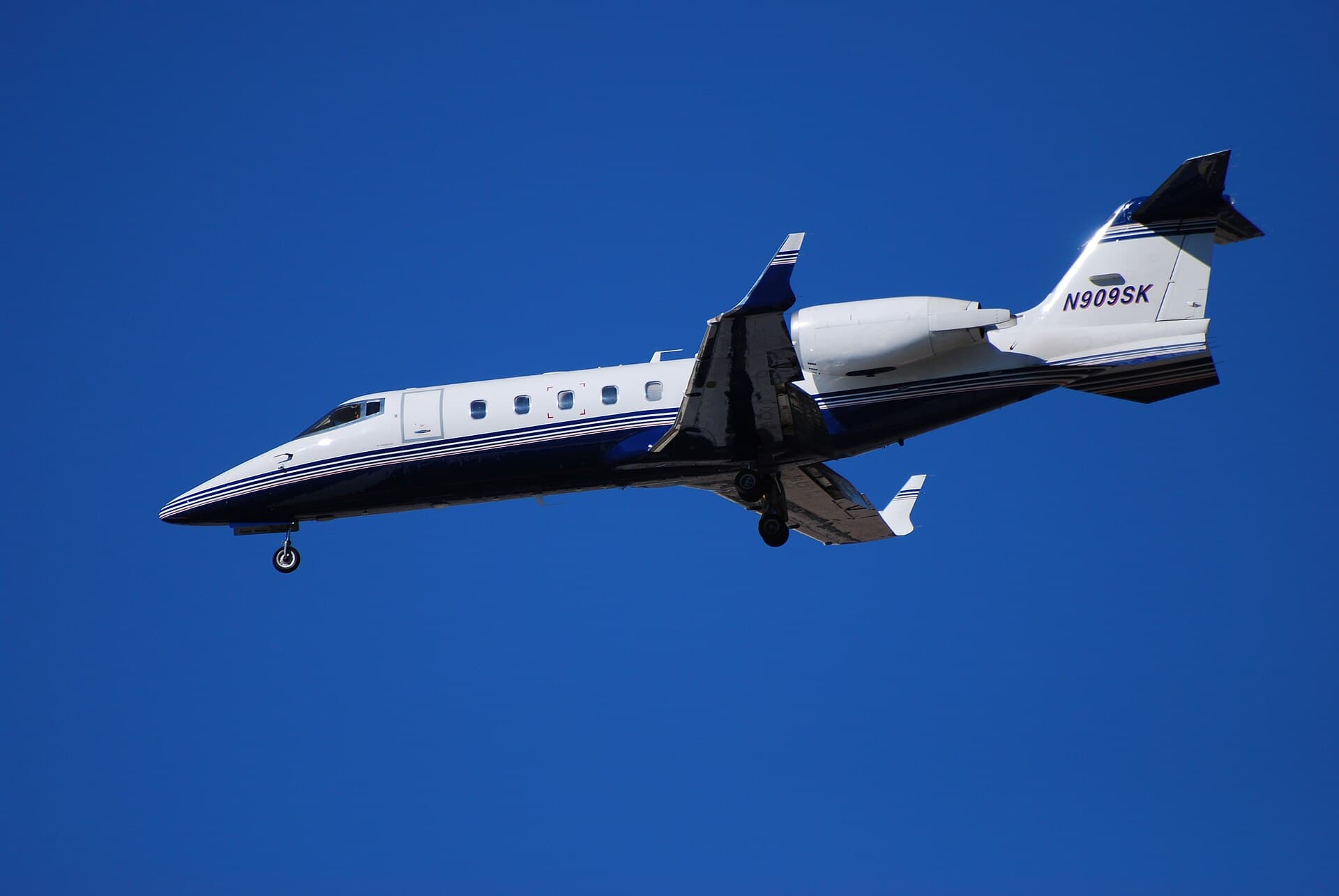
A Learjet 60 crashed into a residential neighbourhood in Palm Beach County, Florida, on Sunday, killing all nine people aboard. The aircraft was en route from Austin, Texas, to North Eleuthera Airport in the Bahamas when it went down around 12:50 p.m. local time on 1 November. U.S. Transportation Secretary Sean Duffy confirmed that all nine people on the aircraft were killed. There were no reports of casualties on the ground.
The privately operated aircraft, registered as N722BD to LR60271 LLC out of Wilmington, Delaware, took off from Austin-Bergstrom International Airport at 10:37 a.m. CST. It climbed to 41,000 feet before beginning its descent toward the Bahamas.
Icing and rapid descent
As the aircraft approached Naples, Florida, at 12:35 p.m., the flight crew contacted air traffic control reporting icing and moderate turbulence. Flying Magazine reports the crew described picking up ice and moderate turbulence with altitude changes of plus or minus 600 to 700 feet per minute, with the outside temperature at negative 47 degrees Celsius. The crew requested a different altitude for a smoother flight.
AVweb reports the pilot told Miami Air Route Traffic Control Center: "We have light, clear ice that is manageable and moderate turbulence." The crew subsequently reported precipitation and requested a climb.
At 1:35 p.m., the aircraft began descending to 35,000 feet. At 1:48 p.m., the crew declared an emergency, reporting they were descending at 10,000 feet per minute in an overspeed condition. The sources differ on the maximum descent rate: Flying Magazine reports the pilot stated the aircraft was descending at 22,000 feet per minute, while AVweb reports ADS-B data recorded a maximum descent rate exceeding $32,000 feet per minute before tracking information was lost. The pilot reported the aircraft had entered a bank angle of 60 degrees.
Flying Magazine quotes the pilot's final transmission: "We're going to crash into the ground." The audio then captured screams from the crew and what sounds like a man saying the Lord's Prayer before the recording ended.
Weather and investigation
Thunderstorms were present across South Florida at the time of the accident. AVweb reports a nearby National Weather Service weather observation recorded thunderstorms in the vicinity, three miles of visibility and winds gusting to 19 knots approximately 15 minutes before the accident, with the Learjet appearing to have passed through a stronger thunderstorm cell several minutes before its rapid descent began.
Car dash cams captured images of the aircraft nose-diving into the ground and exploding in flames. Flying Magazine reports the crash left a large crater in the street, with black smoke and burning wreckage visible. The aircraft's horizontal stabilizer appears to have been missing from the wreckage.
The National Transportation Safety Board is leading the investigation, assisted by the FAA. AVweb reports that investigators have not determined what caused the Learjet's rapid descent or whether weather conditions contributed to the accident. It is unclear from available reporting what role, if any, the aircraft's structural condition or maintenance history played in the emergency.
Sources
9 Killed in Learjet Crash in Florida · Accessed 2026-11-02T13:47:32+00:00
Nine Killed in Florida Learjet Accident · Accessed 2026-11-01T22:36:44+00:00