MOSAIC Phase 2 pricing widens gap between legacy and new aircraft; two crashes in US this week
Flying Magazine reports cost disparities in sport pilot pathways, while accidents in Washington and Alaska claim lives in floatplane and charter operations.
MOSAIC Phase 2, which took effect July 24, has opened sport pilot privileges to legacy certified aircraft meeting a 59-knot clean stall speed threshold, creating two pricing tracks into the same regulatory category. Used legacy aircraft such as Cessna 172s and Piper Cherokee/Archer models qualify at far lower cost than new-production designs purpose-built for the rule, with asking prices on compliant legacy aircraft ranging from roughly $12,000 to $599,000 and a median around $129,500.
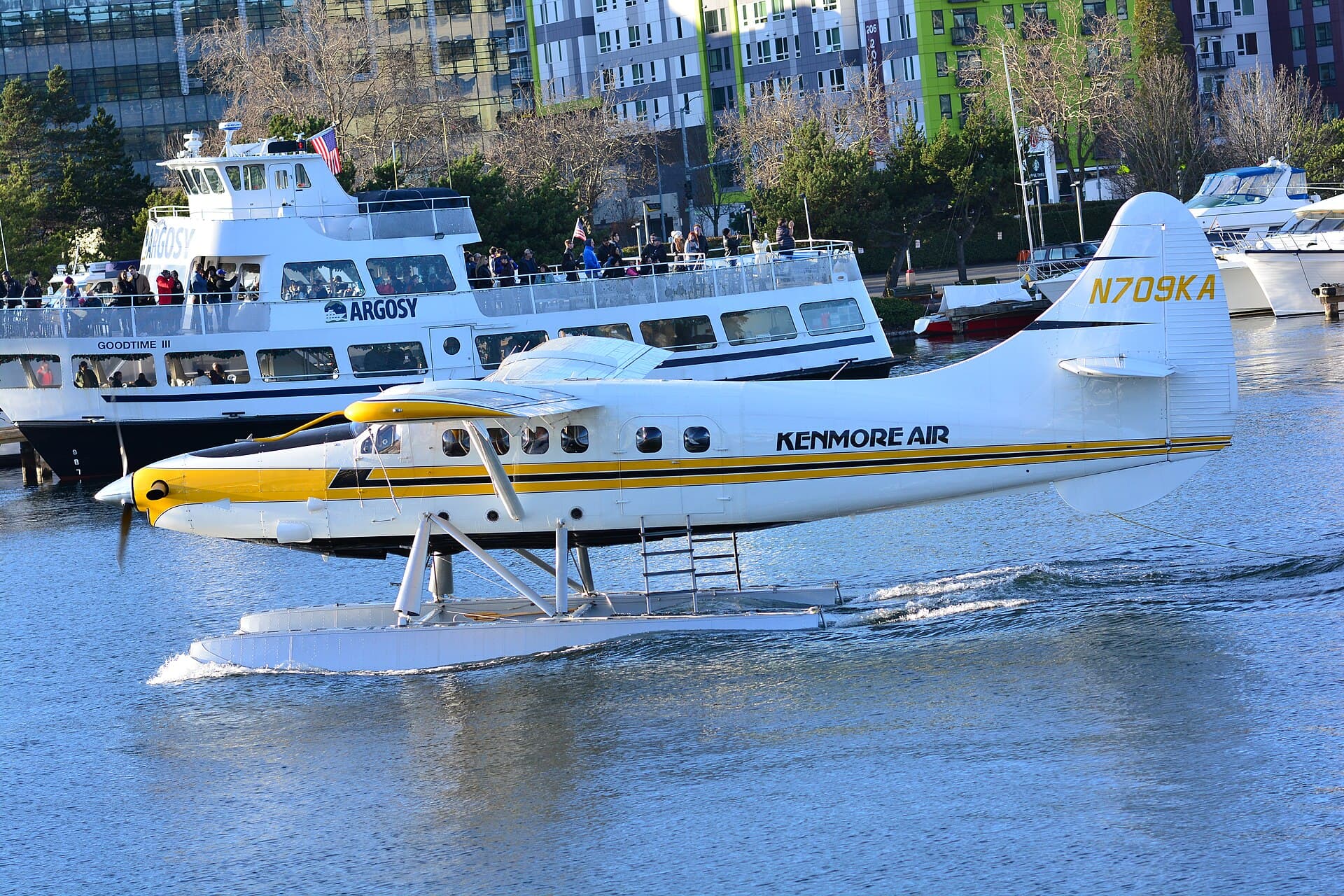
In other aviation developments this week, two crashes claimed lives: a de Havilland Otter floatplane operated by Kenmore Air crashed near Sucia Island, Washington, injuring multiple people, and a Cessna 441 chartered by the U.S. Army Corps of Engineers went down in remote Alaska, killing all eight on board.
MOSAIC Phase 2 creates two paths with diverging costs
The rule change replaced the old 1,320-pound weight cap with a stall-speed test, reaching as much as 70 percent of the current general aviation fleet. Two distinct paths qualify: legacy certified aircraft retrofitted to meet the threshold, and new-production aircraft such as Tecnam's MOSAIK59 family and Bristell's RG and B23M lines engineered from the outset around the 59-knot requirement.
Both paths land pilots in the same expanded sport pilot privilege set, but acquisition costs diverge sharply. Legacy models keep their standard airworthiness certificates rather than converting to special light sport aircraft (S-LSA). Decades of production volume and a deep used-aircraft market keep acquisition cost low.
Purpose-built MOSAIC aircraft are priced as clean-sheet designs. The reporting does not give specific pricing on new-build aircraft or a comparison of total cost to qualify under each path.
De Havilland Otter floatplane crashes near Sucia Island, Washington
A de Havilland DHC-3 Otter floatplane operated by Kenmore Air as a Part 135 scheduled air taxi crashed on July 23 at approximately 5:20 p.m. local time near Eastsound, Washington. The aircraft, N709KA, was substantially damaged. The pilot and two passengers were seriously injured; eight passengers sustained minor injuries.
The flight originated from Kenmore Sea Base in Seattle at 4:30 p.m. with scheduled stops at Roche Harbor and Friday Harbor. According to preliminary ADS-B data, the aircraft flew at 500 to 1,000 feet msl over water as it headed north. When northwest of Lummi Island, the pilot radioed the base to report inclement weather precluding continuation to Roche Harbor and stated he would return to Sucia Island to wait for conditions to improve.
Video shot by a witness near Shallow Bay shows the aircraft a few feet above the water in a nose-high attitude as it descended. According to the NTSB preliminary report, when the airplane was about 4 feet above the water, the left wing dropped and the left wingtip and left pontoon float impacted the water. The aircraft then landed with both pontoons on the water and continued forward, subsequently impacting rocks.
Cessna 441 chartered by U.S. Army crashes in Alaska, killing eight
A Cessna 441 chartered by the U.S. Army Corps of Engineers crashed in remote Alaska, killing all eight people on board. The twin-engine aircraft carried two pilots and six passengers. The crash occurred at approximately 12:15 p.m. in foggy conditions at a location approximately 450 miles west of Anchorage. The aircraft was en route to Cape Newenham Long Range Radar Site Airport.
The radar site, managed by the Pacific Air Forces Regional Support Centre, is part of a network of remote radar sites that tracks aircraft operating in Alaska's airspace and along its borders. According to the military, the site was established in the 1950s during the Cold War.
The NTSB and the FAA are investigating. The names of the deceased have not been released, and the reporting does not indicate whether weather was the probable cause or a contributing factor.
What it means
The MOSAIC changes reflect a shift toward performance-based rather than specification-based regulation, which materially affects acquisition strategies for new sport pilots. Legacy aircraft pathways remain accessible and affordable; new-build adoption will depend on pricing data not yet disclosed in reporting.
The two accidents underscore ongoing operational hazards in specialised segments: seaplane operations require proficiency distinct from land-based flying, and remote charter missions in Alaska present weather and logistical challenges. Neither accident has been attributed to a probable cause, and the Washington crash occurred during an in-flight diversion decision, while the Alaska crash occurred in conditions described only as foggy.