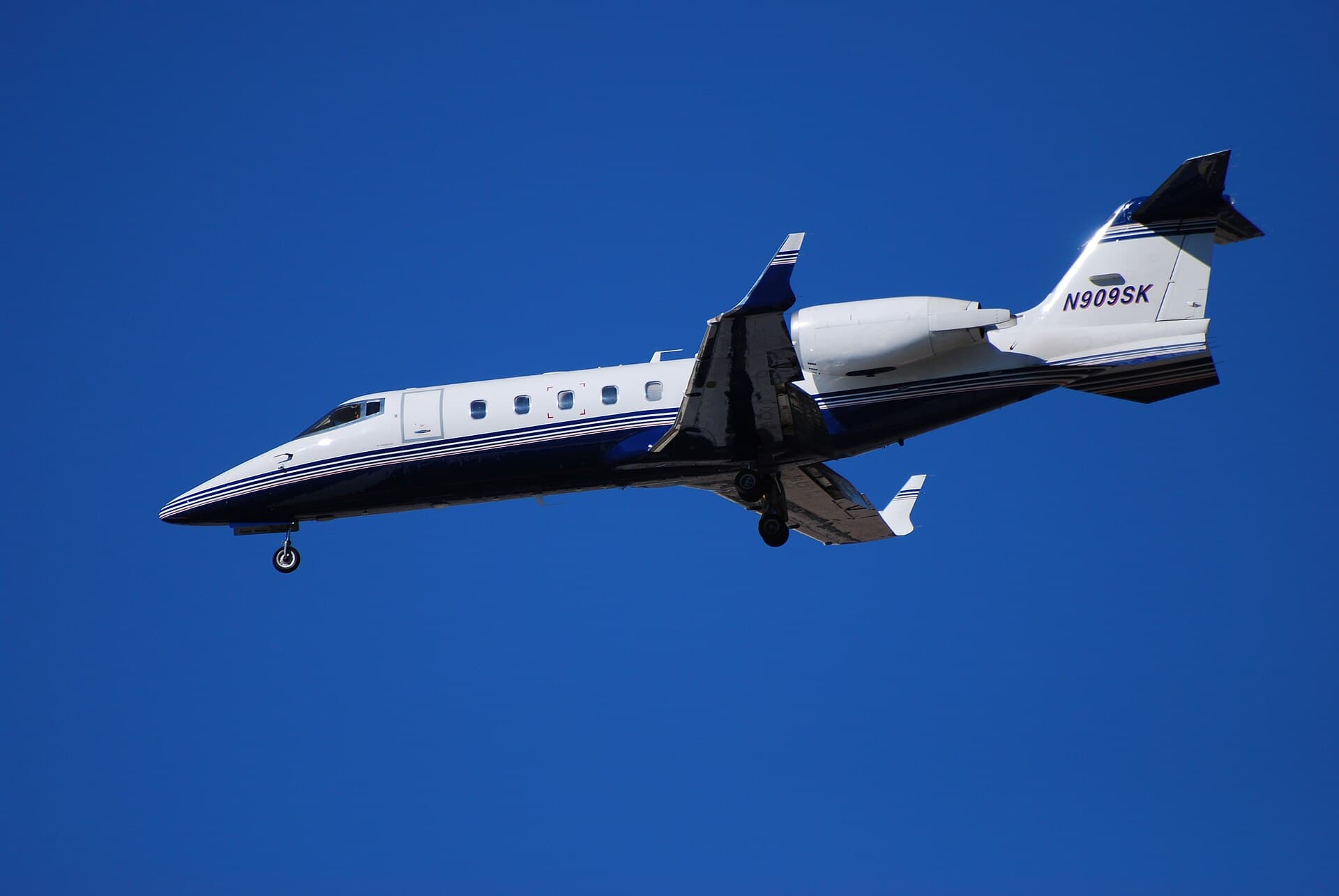
NTSB investigates possible pre-crash structural failure of Learjet 60 near Palm Beach
The aircraft, operated by Aurora Aviation as Upper Jets, crashed on 1 November with nine people on board, all of whom died. Weather and potential icing are among factors under examination.
The US National Transportation Safety Board is investigating evidence that a Learjet 60 suffered structural failure before it crashed near Palm Beach, Florida, on 1 November, killing all nine people on board.
FlightGlobal reported that the NTSB found "some indication that the aircraft was breaking up before impact", according to NTSB member Thomas Chapman at the board's first post-crash briefing. Chapman stressed that the investigation remains in its earliest stages and that investigators are "still seeking to determine" the extent of any structural failure.
The flight and final moments
The Learjet was operated by Aurora Aviation under the business name Upper Jets and was flying under Part 135 Federal Aviation Administration rules from Austin-Bergstrom International airport in Texas to North Eleuthera in the Bahamas. All nine people on board — seven passengers and two crew — died in the crash. One person on the ground suffered a leg injury.
At 12:47 Eastern US time, while at 35,000ft, the Learjet's pilots reported encountering "light clear ice which was manageable" and "moderate turbulence" that was causing 700ft altitude deviations. The outside air temperature was −47°C (−53°F) at that point.
Very soon after, the crew reported picking up precipitation and requested permission to climb to 37,000ft. Air traffic controllers approved that request. Less than 30 seconds later, the aircraft transmitted a descent announcement followed by a mayday call.
Investigation underway
The crash site spans an area roughly 0.5 × 0.4 miles (0.8 × 0.6km), with investigators warning that parts of the aircraft may be found some distances away from the main impact site. Video purported to show the crash depicts the Learjet descending nearly vertically at extremely high speed, leaving a crater that subsequently filled with water.
Weather is "certainly a factor" in the investigation, Chapman said. The aircraft had been passing near or through storms immediately prior to the crash.
The Learjet had at one point been equipped with a cockpit voice recorder, according to the NTSB, though whether that equipment was actually on the jet when it crashed remains unconfirmed. FlightGlobal reported that investigators are hoping the recorder, if present and recovered, will aid their inquiry.
Sources
NTSB examining possible pre-crash break-up of Learjet 60 · Accessed 2026-11-02T20:53:37+00:00