
Textron Aviation names new president, Electra studies off-airport access in Finland, GA fatal accident rate drops
Brian Rohloff takes the helm at Textron Aviation on August 31, while Electra explores infrastructure for its EL9 hybrid-electric aircraft with Helsinki and a university partner.
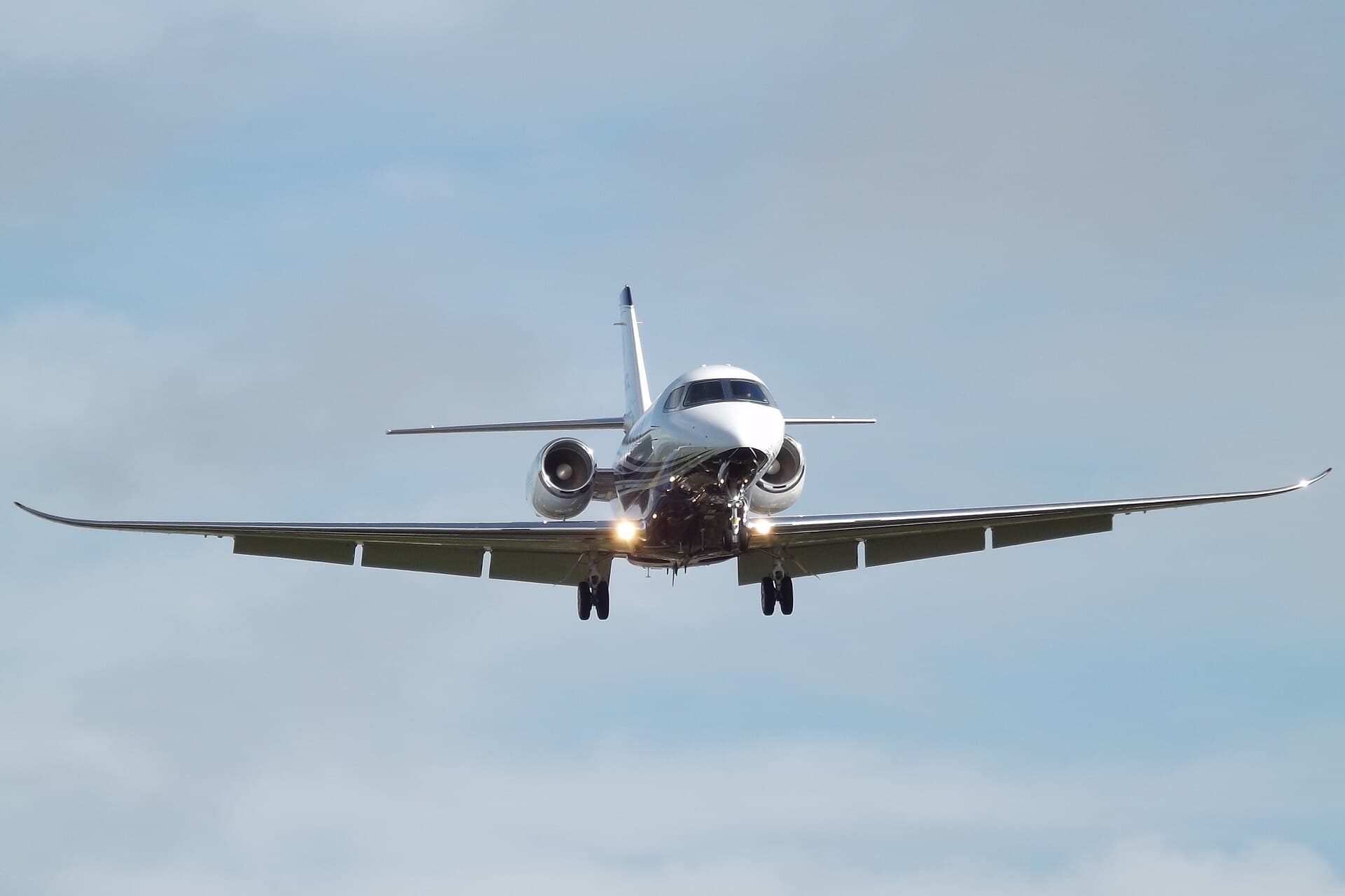
Textron Aviation has named Brian Rohloff as its new president and CEO, effective August 31, 2026. He succeeds Ron Draper, who retires after eight years in the role. The manufacturer is also studying off-airport infrastructure for a hybrid-electric aircraft in Finland, and general aviation's fatal accident rate has improved significantly this fiscal year.
Textron Aviation appoints Brian Rohloff as president and CEO
Rohloff will take office on August 31, with Draper remaining through the end of 2026 as senior advisor to support the transition. Rohloff has held leadership roles across customer support, sales, supply chain, and quality at Textron Aviation. Most recently he served as senior vice president of Customer Support, overseeing the company's global customer support operations. Previous positions include vice president of Quality, vice president of Sales, senior product director for the Citation XLS+ and Citation X, and director of Paint Operations.
Draper said of his retirement: "Serving as president and CEO of Textron Aviation has been the greatest honor of my career. What I will be most proud of is the incredible people who make this company what it is every day." Textron Aviation officials described Rohloff's appointment as reflecting "a deliberate succession plan designed to ensure continuity."
Electra partners with Helsinki and university to study EL9 infrastructure
Electra, a developer of hybrid-electric ultra-short aircraft, is working with the city of Helsinki and Haaga-Helia University of Applied Sciences to evaluate off-airport "access points" for its flagship EL9. The aircraft is designed for takeoff and landing with only 150 feet of ground roll.
According to Electra, EL9 access points could be installed at nonairport locations including rooftops, parking lots, fields, barges, malls, casinos, or ski resorts. The study will focus on the twin cities of Helsinki and Tallinn, Estonia, which sit approximately 80 kilometres apart, separated by the Gulf of Finland. Electra, the city, and the university aim to complete the study by the end of 2026.
Electra previously partnered with FBO Signature Aviation to explore access points for the EL9. According to a market outlook Electra published in March, the EL9 could cut travel times by one or more hours for over 2,600 routes spanning 50 to 265 miles that see at least 1,000 daily drivers but lack reliable air service. Electra estimated that about 7.5 million people travel between Helsinki and Tallinn each year; the Helsinki-Tallinn ferry route alone recorded about 7.3 million travellers in 2025.
General aviation fatal accident rate improves in fiscal 2026
As of August 24, 2026, the estimated general aviation fatal accident rate stands at $0.52 accidents per 100,000 flight hours, according to the General Aviation Joint Safety Committee. This is well below the yearly reduction target of $0.91. The fiscal year began October 1, 2025, and runs through September 30, 2026.
What it means
Rohloff's appointment marks a leadership transition at one of the largest general aviation manufacturers. His background in customer support, sales, and product development across the Citation family positions him to guide the company through continued competition in the midsize and super-midsize jet markets.
Electra's study in Helsinki tests whether its off-airport access-point concept can work in a real-world setting where significant passenger demand exists. Success there could validate the model for rollout across the U.S., though it is unclear from available reporting how the findings would translate to different regulatory environments or urban geographies.
The improvement in general aviation's fatal accident rate, if it holds through the end of the fiscal year, would reflect continued gains in aircraft safety and pilot training standards across the sector.
.jpg)