
Learjet crashes in Florida killing all nine aboard; NTSB begins investigation
The aircraft descended at over 32,000 feet per minute after the pilot reported an overspeed condition and 60-degree bank angle near Naples on Sunday.
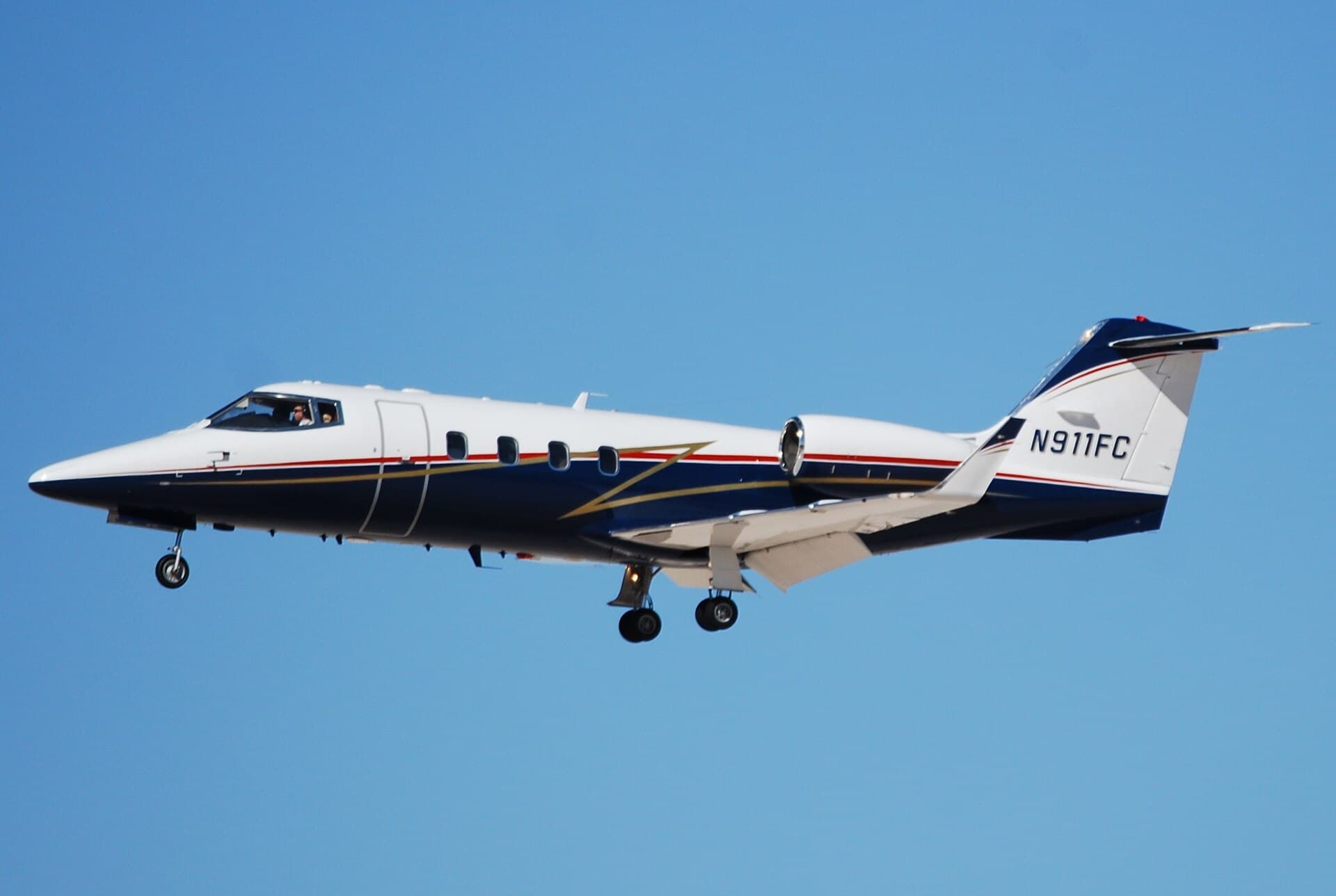

A Learjet crashed in Florida on Sunday, killing all nine occupants. Flying Magazine reports that the National Transportation Safety Board held its first news briefing on Monday to share initial findings and explain how the investigation will proceed.
One person on the ground sustained a leg injury when struck by debris near the impact site, but no other injuries or fatalities on the ground have been reported. Flying Magazine reports that the NTSB conducted the briefing with more than 4,000 people watching its live stream.
Sequence of events
According to air traffic control audio and ADS-B tracking data reviewed by Flying Magazine, the pilot reported at around 12:47 p.m. EST on Sunday that the aircraft was encountering light, clear ice as it approached Naples. The pilot said the airplane was experiencing altitude changes of plus or minus 600–700 feet per minute while picking up ice and flying in moderate turbulence, which they described as manageable. Outside temperature was reported as negative 47 degrees Celsius.
The pilot then requested an altitude change to 37,000 feet for a "better ride", and air traffic control approved the request. The aircraft was climbing from 35,000 feet.
Around 12:48 p.m., approximately one minute after the approved altitude change, the Learjet entered a rapid descent. The crew declared an emergency and reported a descent rate of $10,000 feet per minute in an overspeed condition. The pilot then said the aircraft was descending at $22,000 feet per minute and had entered a bank angle of 60 degrees. According to FlightRadar24 data, the reported vertical rate during descent exceeded $32,000 feet per minute.
"We're going to crash into the ground," the pilot said, according to the audio reviewed by Flying Magazine.
Investigation status
NTSB member Tom Chapman said the early indication is that a cockpit voice recorder was installed on the aircraft, but it remains unclear whether the device was still on board at the time of the accident. The agency is seeking to determine whether the CVR survived and can be recovered.
Flying Magazine reports that many circumstances surrounding the crash remain unclear. The NTSB investigator-in-charge Timothy Monville explained that officials plan to methodically approach the investigation, with Chapman noting that "all aboard were lost."
Sources
Florida Learjet Crash: What We Know (And Don’t Know) So Far · Accessed 2026-11-02T21:33:16+00:00